
Your Basement May Be Your Most Overlooked Income-Producing Asset
Why Chicago 2–4 Unit Owners Are Looking At Their Basements Differently
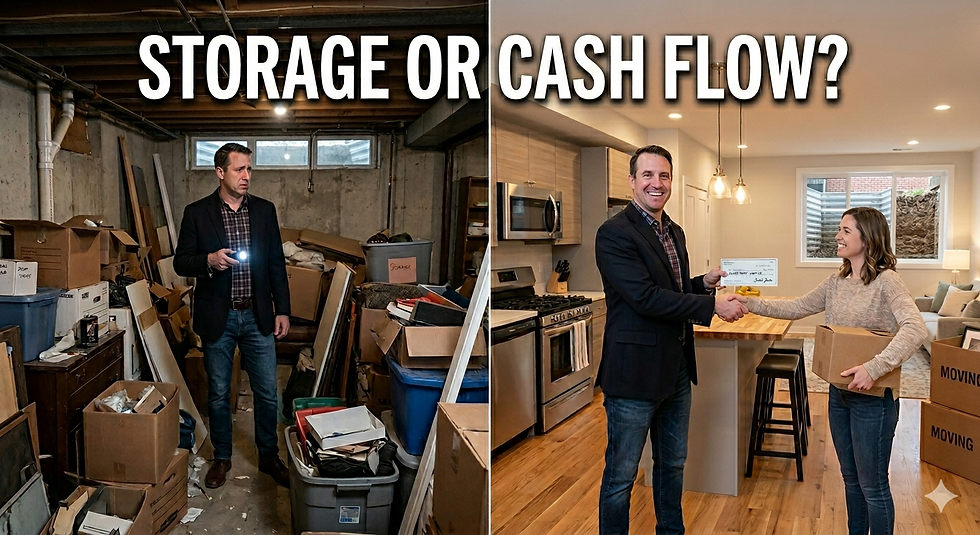
If you own a 2–4 unit property in Chicago with a legal basement, you may already be sitting on one of the most overlooked wealth-building opportunities in today's market.
For years, many Chicago property owners viewed basements as:
• Storage space
• Laundry rooms
• Utility areas
• Unfinished square footage
But today, Chicago's housing shortage and updated ADU rules are causing many investors to look at their properties differently.
And for some owners, the next investment opportunity may already exist beneath their feet.
Chicago Needs More Housing — And Basement Units Are Part Of The Solution
Chicago continues searching for ways to increase housing inventory without dramatically changing neighborhood character. One solution the city has embraced is the expansion of Additional Dwelling Units (ADUs).
As of April 1, 2026, ADU eligibility expanded citywide across many residential zoning districts, creating additional opportunities for owners to legally add:
• Basement apartments
• Garden units
• Coach houses
• Additional residential units within existing structures
The city's position is simple:
Existing buildings may already contain untapped housing potential.
For many Chicago investors, that means existing basement space deserves a second look.
You May Already Own Your Next Rental Unit
Many investors spend years looking for:
• Another acquisition
• Another down payment
• Another property to renovate
Meanwhile, they may already own square footage capable of producing additional income.
Before searching for another building, ask yourself, have I fully maximized the one I already own? For some owners, the next opportunity isn't across town. It's downstairs.
What Makes A Basement Unit Legal In Chicago?
This is one of the most important questions property owners should answer before spending money. Not every basement qualifies as a legal rental unit.
Before hiring contractors or pursuing financing, verify zoning and building requirements with the City of Chicago.
Requirements may include:
• Proper zoning eligibility
• Minimum ceiling heights
• Emergency egress requirements
• Proper exits and entry access
• Ventilation and natural light requirements
• Electrical and plumbing compliance
• Fire safety requirements
• Permits and inspections
Always consult:
• The Chicago Zoning Department
• Licensed architects
• Qualified contractors
• Permit professionals
This article is intended for educational purposes only and should not be considered legal, zoning, architectural, or permitting advice.
Garden Unit vs Additional Unit: Understanding The Difference
Many property owners assume all basement conversions are the same.
They're not. Understanding the distinction can impact both the approval process and the property's future value.
Garden Unit
A legal garden unit generally involves building out existing basement space without changing the building's unit count classification. Because the structure already exists, the process may be more straightforward depending on zoning and permitting requirements.
An Additional Unit
Creating an additional unit may require changing the property's legal unit count.
This often involves:
• Zoning review
• Additional approvals
• Potential zoning board involvement
• Possible aldermanic review depending on the circumstances
Because an additional legal unit changes the property's classification, the potential impact on value may differ significantly. Always consult a qualified real estate professional, zoning professional, or appraiser before making assumptions about future value.
Why Smart Chicago Investors Are Looking At Their Basements Differently
Many owners become comfortable operating their property exactly as it exists today.
The building works.
The tenants pay.
The property produces income.
So nothing changes.
Meanwhile, that basement may offer an opportunity to:
• Increase monthly cash flow
• Increase property value
• Improve long-term equity
• Strengthen refinancing opportunities
• Create additional housing
And unlike purchasing another building, you may already own:
• The land
• The structure
• Existing infrastructure
• Utility access
That's why many investors are starting to view basement space as an asset instead of an expense.
Use Existing Equity To Potentially Create More Equity
Some owners explore using existing property equity through refinancing or second mortgage options to fund legal basement improvements.
When structured properly, that investment may help:
• Increase rental income
• Increase property value
• Improve long-term wealth creation
• Enhance future financial flexibility
In other words:
Your property may help finance its own future growth.
One Of The Biggest Mistakes Owners Make During Basement Buildouts
The goal of a basement conversion is not creating your dream apartment.
The goal is creating a profitable investment.
Many owners accidentally:
• Over-improve
• Overspend
• Build beyond neighborhood expectations
• Add features tenants won't pay for
Remember:
Tenants care about:
• Safety
• Functionality
• Clean layouts
• Durability
The objective isn't luxury.
The objective is creating legal, rentable space that improves cash flow and long-term value.
Why Property Optimization May Be Smarter Than Property Acquisition
With acquisition costs rising and inventory remaining limited, many investors immediately look for another purchase. But that may not always be the best opportunity.
Sometimes the highest return comes from optimizing what you already own.
Before buying another property, ask:
Have I fully maximized the one I'm standing in today?
For many Chicago investors, the answer may be sitting directly below them.
Final Thoughts
Chicago's housing challenges are creating opportunities for small multifamily owners.
And for many investors:
The most overlooked opportunity may already exist inside the property they currently own.
A legal basement unit may potentially increase:
• Cash flow
• Equity
• Long-term value
• Financial flexibility
Before moving forward:
• Verify zoning eligibility
• Consult professionals
• Understand permitting requirements
• Run the numbers carefully
Because sometimes the smartest investment opportunity isn't buying another building.


Comments